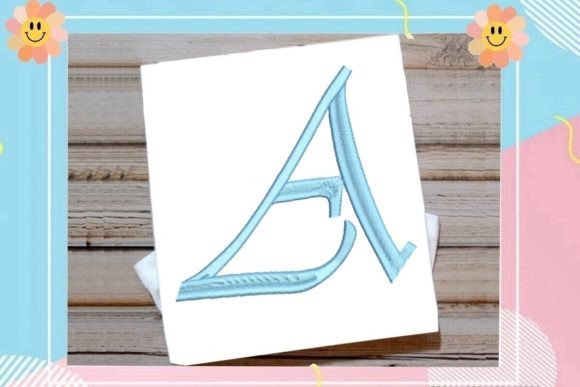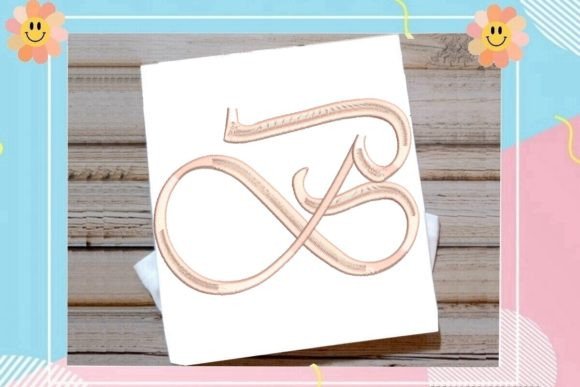
Beautiful Monogram B Letter
A Designer’s First Look: Grace, Not Gimmick
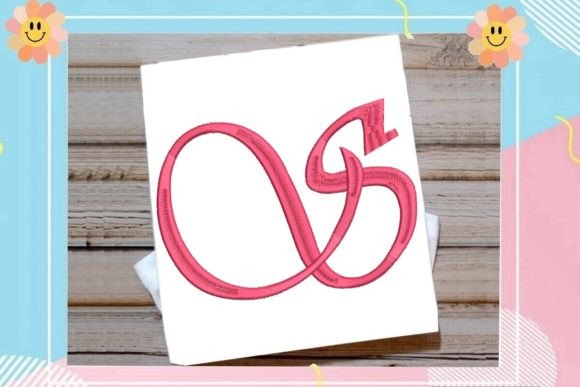
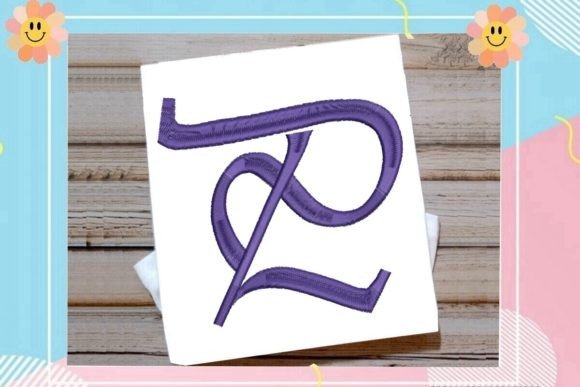
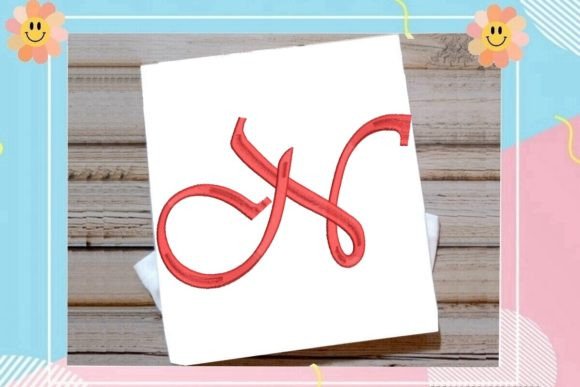
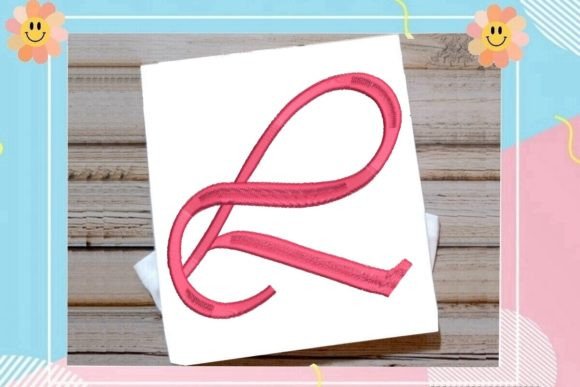
When I opened Beautiful Monogram B Letter, my first thought wasn’t “pretty”—it was “purposeful.” This isn’t a flashy, trend-chasing letter. It’s a quiet, confident monogram built on balance: generous curves, restrained flourishes, and spacing that breathes. The vertical stroke anchors it; the upper and lower loops echo each other without mirroring exactly—giving it subtle movement. As a wedding monogram, it leans into tradition without feeling dated. But more importantly, as an embroidery file, it signals intentionality in every curve and corner.
How It Lives on Real Fabric (Not Just Screens)
Last week, I stitched Beautiful Monogram B Letter onto a heavyweight organic cotton tote for a local boutique’s bridal gift line. No mockup—just needle, thread, and a 5” hoop. The result? Clean satin stitch definition on the outer contours, smooth fill stitch in the open areas, and zero puckering—even with minimal tear-away stabilizer. That tells me something critical: this design respects fabric behavior. It doesn’t overload small zones with dense running stitch or cram detail where thread can’t resolve.
I’ve seen too many monograms collapse on baby onesies or vanish on textured sweatshirts. Beautiful Monogram B Letter avoids that trap. Its moderate scale and open interior keep it legible at 3.5”–4.5”, making it ideal for embroidered patch placement on denim jackets, pillow covers for nursery decor, or centered front embroidery on linen tea towels. On a soft heather-gray sweatshirt? It reads as elevated—not fussy. On ivory baby blankets? It feels heirloom-quiet, not overly ornate.
Where to Use It—and Where to Pause
This design shines brightest on stable, medium-weight fabrics: twill, quilting cotton, canvas, midweight knits (with light cutaway stabilizer), and even structured caps—if hooped carefully and stitched with reduced top tension. It works beautifully as a standalone motif on tote bag designs, aprons, and holiday embroidery like monogrammed kitchen towels for Christmas gifting.
But here’s what I’d flag for fellow designers and Etsy sellers: avoid pushing it below 3” on stretchy or thin fabrics. The lower loop’s delicate curve tightens under tension and can blur on jersey or lightweight rayon. On dark fabric, test your thread colors early—especially if using variegated or metallics. Some satin stitch sections catch light differently than fill areas, and contrast matters for perceived clarity. And while it’s elegant on flat surfaces, skip curved applications like baseball cap fronts unless you’re experienced with distortion compensation—the letter’s symmetry relies on even tension.
What It Adds to Your Handmade Product (Beyond Aesthetics)
Beautiful Monogram B Letter elevates perception without demanding premium pricing. Customers notice the difference between “a letter” and *this* letter—the kind that makes a personalized gift feel considered, not generic. For craft businesses, that translates to higher perceived value on Etsy listings and craft fair tables. When stitched cleanly, it reinforces trust: buyers see craftsmanship, not just customization.
It also supports brand consistency. Whether you’re branding a line of nursery decor or curating wedding gifts, this monogram doesn’t shout—it harmonizes. It pairs naturally with serif typography in printable mockups and holds up in black-and-white product photography, which is essential for digital embroidery file previews or social media thumbnails.
Practical Notes Every Embroidery Designer Should Run Through
- Always test on scrap fabric first—especially if stitching on textured or dark material. See how the satin stitch flows and whether inner corners hold their shape.
- Review stitch density before scaling. If you enlarge beyond 120%, check for over-stitching in the loops; if shrinking, confirm no tiny details vanish.
- Confirm hoop size compatibility. This design fits comfortably in a 4x4 hoop at standard size—but verify before batching orders.
- Inspect small details in your embroidery software: look for stray jump stitches near the base of the lower loop, and ensure clean trim commands are embedded.
- Test both light and dark backgrounds in your digital mockups—not just for color, but for visual weight and balance.
- Use appropriate stabilizer: medium-weight tear-away for stable wovens, light cutaway for knits. Skip heavy fusibles—they mute the elegance.
- Check licensing terms before selling finished items commercially or bundling the file in digital product kits. Not all wedding monogram files permit resale of stitched goods.
Fitting Into Your Creative Workflow
As a designer who sources and tests hundreds of embroidery files yearly, I keep Beautiful Monogram B Letter in my go-to folder for client projects where refinement matters—think custom bridal party robes, monogrammed linen napkins for intimate weddings, or boutique-branded sweatshirt embroidery for a local café’s staff line. It’s versatile enough for holiday embroidery (stitched in gold thread on velvet stockings) yet timeless enough for everyday handmade products like embroidered pillow covers or baby embroidery on organic cotton bibs.
For Etsy sellers and small shop owners: this monogram performs well in listings because it photographs cleanly, scales reliably across product mockups, and appeals across age groups—unlike ultra-trendy fonts that date quickly. It’s also a smart anchor for bundles: pair it with coordinating floral motifs or simple border files to create cohesive digital embroidery file collections.
Final Thought: Design With Confidence, Not Compromise
Beautiful Monogram B Letter earns its place not by being the most intricate or the largest—but by being resolved. Every curve has purpose. Every stitch count feels intentional. It doesn’t ask you to fix it in software or over-stabilize to survive. That’s rare in wedding monogram files, where ornamentation often overshadows function.
If you’re choosing embroidery design assets for real project use—not just screen appeal—this one invites confidence. Stitch it on a linen tea towel for a wedding gift, center it on a baby blanket for a newborn announcement, or use it as a signature accent on custom apparel. It won’t distract. It won’t disappoint. And when your customer runs a finger over that smooth satin stitch, they’ll feel the care—not just in your handiwork, but in the design itself.