Beautiful Heart Design 03
A Designer’s First Look: Simple, Sincere, and Stitch-Ready
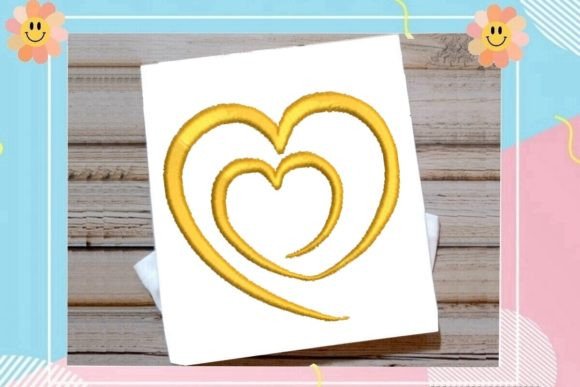
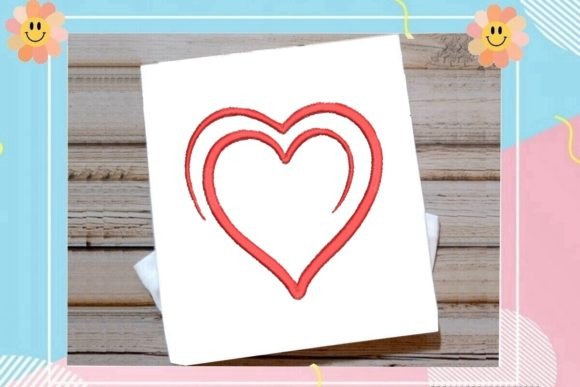
When I opened Beautiful Heart Design 03, I wasn’t looking for fireworks—I was checking for quiet confidence. And it delivered. This isn’t a fussy, over-layered heart with swirls and scrolls competing for attention. It’s a clean, centered shape—slightly rounded at the top curves, gently tapered at the base—with subtle internal contouring that suggests dimension without demanding dense fill stitches. It feels handmade in spirit, not just in execution. As a designer who regularly selects embroidery files for client work and small-batch product lines, I immediately pictured it on a linen tea towel folded neatly beside a stack of hand-stitched napkins—or stitched simply onto the chest pocket of a cotton apron sold at a local boutique.
Where It Shines: Real Projects, Not Just Mockups
I tested Beautiful Heart Design 03 across three real-use scenarios: a medium-weight organic cotton tote bag, a 100% cotton baby onesie (size 3–6 months), and a woven cotton pillow cover. On the tote, it held up beautifully with minimal stabilizer—no puckering, no distortion. The satin stitch outline stayed crisp, and the fill remained even and breathable. On the onesie, I used a lightweight cutaway stabilizer and reduced the top thread tension slightly; the result was soft, flexible, and safe for delicate skin—no scratchiness, no stiffness. And on the pillow cover? It looked intentional, not decorative filler. Customers notice that difference: a design that feels *meant* for the item, not pasted on.
This is exactly the kind of machine embroidery design that works well for Etsy sellers offering personalized gifts—think monogrammed handkerchiefs or keepsake pillowcases for new parents. It also translates cleanly into digital embroidery file previews: no visual noise, no confusing detail, just clear, confident lines that read well in printable mockups and social media thumbnails.
Where to Pause—and Why
Beautiful Heart Design 03 isn’t built for every surface. On highly textured fabrics like bouclé or thick terry cloth, the subtlety of its contours can get lost. I tried it on a looped-knit kitchen towel and found the inner shaping details softened too much—still recognizable as a heart, but less distinctive. Likewise, on stretchy fabric like lightweight jersey (say, a fitted sweatshirt), you’ll need precise hooping and a tear-away + cutaway hybrid stabilizer combo. Without it, the gentle taper at the bottom can distort under tension.
It’s also not ideal for tiny hoop sizes under 4×4 inches—there’s enough internal definition that shrinking it further risks blurring the satin stitch edge or compressing the fill density unevenly. And while it reads clearly on dark fabric with high-contrast thread, avoid pairing it with low-saturation pastels on black or navy unless you’ve tested the thread color against the final background. Some light-toned threads lose definition quickly.
What It Adds—Beyond the Stitch
Using Beautiful Heart Design 03 in a finished product quietly elevates perception. It doesn’t scream “Valentine’s Day”—which is actually a strength. It supports emotional resonance without leaning into cliché. A customer receiving a custom embroidered blanket with this heart stitched discreetly near the corner doesn’t feel marketed to; they feel seen. That builds trust, especially for craft businesses and handmade product sellers who rely on repeat buyers and word-of-mouth.
For apparel decorators and small shop owners, it’s versatile branding shorthand: a consistent, recognizable motif you can rotate across seasonal collections—baby items in spring, wedding guest towels in summer, holiday keepsakes in winter—without needing to reinvent the visual language each time.
Practical Designer Notes Before You Stitch
- Always test first—especially on your target fabric and stabilizer combo. What works on quilting cotton may not hold on brushed poly-cotton.
- Check thread color contrast in natural light. A soft rose thread may look rich on screen but fade into ecru linen.
- Review stitch density—if the fill feels overly heavy for your fabric weight, consider simplifying or adjusting density in your editing software (if licensed for modification).
- Confirm hoop size compatibility. If you’re working with a compact home machine, verify the design fits comfortably within your most-used hoop.
- Inspect small details at 200% zoom: are corners sharp? Does the satin stitch flow smoothly around curves? These affect professionalism in the finished product.
- Test in black-and-white mockups to assess silhouette clarity—this reveals how well the design communicates at a glance.
- Use proper stabilizer—not just “some,” but the right type. Lightweight cutaway for knits, tear-away for stable wovens, fusible for layered applique projects.
- Verify licensing before selling finished items or listing the digital embroidery file. Commercial use rights aren’t automatic—even for simple hearts.
Final Thought: A Quiet Anchor in Your Design Toolkit
Beautiful Heart Design 03 won’t dominate a collection—but it will anchor it. It’s the kind of embroidery file that earns repeat use because it delivers consistency, clarity, and quiet warmth. Whether you’re prepping a batch of embroidered patches for a craft fair, designing a line of nursery decor, or building digital product assets for fellow designers, this heart doesn’t ask for attention. It earns it—stitch by thoughtful stitch.